Many adults with Down’s syndrome live fulfilled and independent lives. Some adults will have relationships and will be able to live almost entirely on their own.
At times they may be supported by friends, family, carers or support workers to do everyday tasks like cleaning, cooking or shopping. Some adults will need more daily care but may still have a part-time job or volunteer within the community. Gaining independence is an important part of adulthood and we will help our members in finding the right information and support they need.
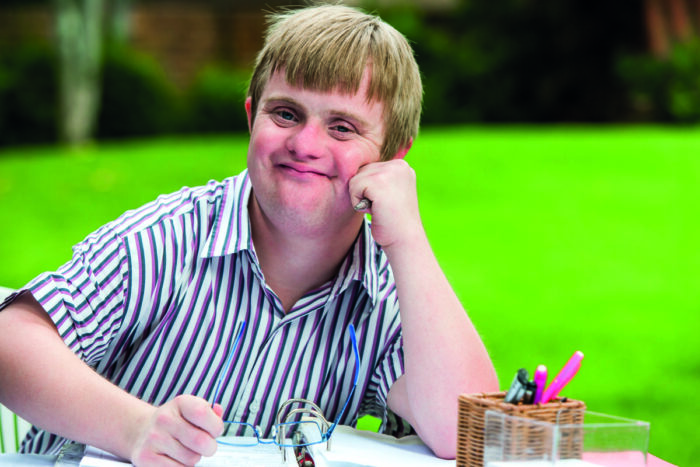
There are a good range of sixth forms and colleges that people with Down’s syndrome can attend once they leave school in the Swindon and Wiltshire are. It is a good idea to visit them and consider what is right for your child. Here are some of the settings suitable for post 16 in our area:
Uplands Sixth Form provides a holistic programme of study for young people with a range of learning, communication, physical, sensory, social and medical difficulties. They aim to provide challenging, relevant and fun learning experiences which support individual progression and, of vital importance, prepare our young people for adulthood. Further details.
Crowdys Hill Special School value the many talents that their pupils have to offer. They are a vibrant, happy school where pupils enjoy learning and staff enjoy teaching. Crowdy’s Hill want to ensure their pupils have the opportunity to further develop their social, independence and life skills. They want to make sure pupils are given the opportunity to develop their employability skills, with opportunities for work experience and making links with the community. Further details.
Horizons is a specialist facility for young adults aged 16-25 who have severe or profound multiple learning difficulties and/or complex needs. The college provides a holistic learning programme for young people which is challenging, relevant and fun to support individual progression and preparation for adulthood. Further details.
National Star College are driven by a vision for a world in which people with disabilities are able to realise their potential as equal and active citizens in control of their lives. This sits at the heard of everything they do, from the personalised and world-class learning they provide, from training, to specialist services and work in the wider community. Further details.
This is a new project being built at the moment. Wiltshire Council wants to ensure that all children and young people with SEND have access to a first-class education. The project is part of a wider plan that has seen the special schools of Larkrise, St Nicholas and Rowdeford come together to form Silverwood school. There will be a sixth form provision in Chippenham.
Foxes Academy is a residential placement during term time. The courses they offer at Aurora Foxes enable students to achieve nationally recognised qualifications, find and secure employment and promote life and living skills, that support young people to lead a rich and fulfilling future. Many of our members have attended Foxes and enjoyed their experiences. Further details.
You can find further information about possible post 16 education options on the Swindon Local Offer website or the Wiltshire Local Offer website.

Benefits are here to help our members live more independently. These benefits should help people with Down’s syndrome and their families to have a safe home, pay their bills, buy food, and have some disposable income to spend as they wish.
A non-means-tested benefit for children with a disability or illness. It is intended to compensate for the extra costs of having a disability. This is the main “extra” benefit for children with Down’s syndrome. You spend DLA in any way that benefits your child. Further details.
Personal Independence Payment (PIP) is a benefit for people aged 16 to 64, who have a long term physical or mental disability and need help participating in everyday life or find it difficult to get around. Further details.
Paid to people who are not working because they care for someone who gets DLA or PIP. You can earn up to £128 (after deductions) per week and still claim Carers Allowance ‐ this must be disclosed. Further details.
Universal Credit (UC) is a benefit for people of working age who are in or out of work. In 2013 the government introduced a new benefit called Universal Credit which replaced income support, jobseekers allowance, housing benefit, ESA and tax credits. This mean that people only have to apply for one benefit. Further details.
The Blue Badge scheme is to help people park closer to where they want to get to. It means they can park where there are parking restrictions, for example close to shops, public buildings, and so on. Further details.
After the age of 16, the Department of Work and Pensions (DWP) will want to deal directly with your son or daughter. If they are not able to manage their own benefits, you can apply to become their appointee. It means you have full responsibility for dealing with your child’s benefits. Becoming an appointee is usually a formality. Apply in writing to the DWP. You may have a visit from a DWP officer. Further details.
A direct payment is a payment made by the local authority to the parent/carer of a child or young person with disabilities or to a person with disabilities aged 16 or 17, to enable them to buy support to meet their identified needs, instead of the local authority providing that support directly. A direct payment gives the family more flexibility, choice and control over the services they use. Direct payments allow families greater flexibility, choice and control over the services they use and how they are delivered, providing an individual service to meet their needs. Direct payments do not affect government benefits and do not count as income. Further details Swindon. Further details Wiltshire.
A PA, or personal assistant, is a person who is employed to support someone to live as independently as possible. Further details Swindon. Further details Wiltshire.
You can apply for Employment and Support Allowance (ESA) if you have a disability or health condition that affects how much you can work. ESA gives you money to help with living costs if you’re unable to work and support to get back into work if you’re able to. Further details.
You can apply to your local council for Council Tax Reduction (sometimes called Council Tax Support). You could be eligible if you’re on a low income or claim benefits. You’ll get a discount on your bill if you’re eligible. Further details.
The Down’s Syndrome Association have a dedicated Benefits and Financial Help section on their website that provides more in depth information.
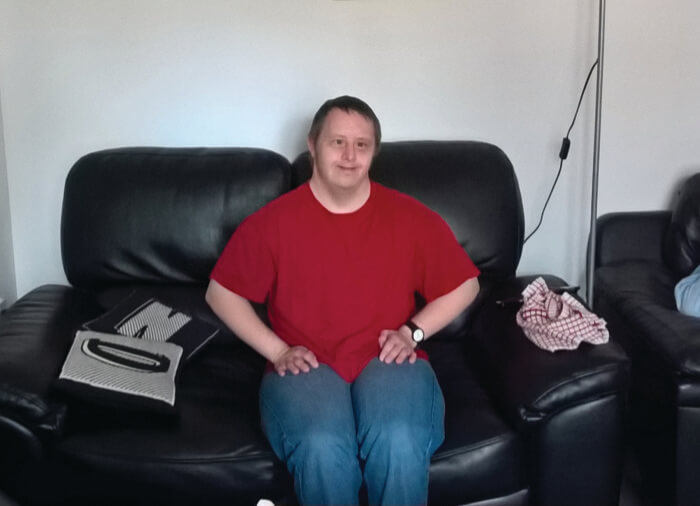
There are a number of different options available to enable someone with Down’s syndrome to live independently. You may wish to rent privately, through the local council or in supported accommodation.
Your local council has a duty to provide some people with support. You will need to have an assessment of your care and support needs to assess whether you are eligible. If needs are identified a support plan will be put together with a customer coordinator to meet those needs. You can view the assessment of your care needs for Swindon and Wiltshire.
Set in the centre of Swindon, Maryfield has 11 one-bedroom flats where residents aged 18 to 25, with a range of learning disabilities and physical disabilities, receive care and support. Residents are encouraged to develop and learn new skills to live as independently as possible. Further details.
Located in a quiet area of Swindon, Tony Long House has six spacious en-suite rooms. They provide residential care and support for six adults aged 18 to 65, with a range of learning disabilities and physical disabilities. Further details.
Jim Masters Court is housing for people with additional needs who wish to live independently. Support is provided via staff at Hazelmead House. There are twelve one-bedroom flats, a car park and landscaped areas. Support is provided by staff from Hazelmead House who visit weekly and also support residents to meetings and appointments when needed. Further details.
You can find out more about supported housing in Swindon here or in Wiltshire here. The Swindon Local Offer website has further information about living at home.
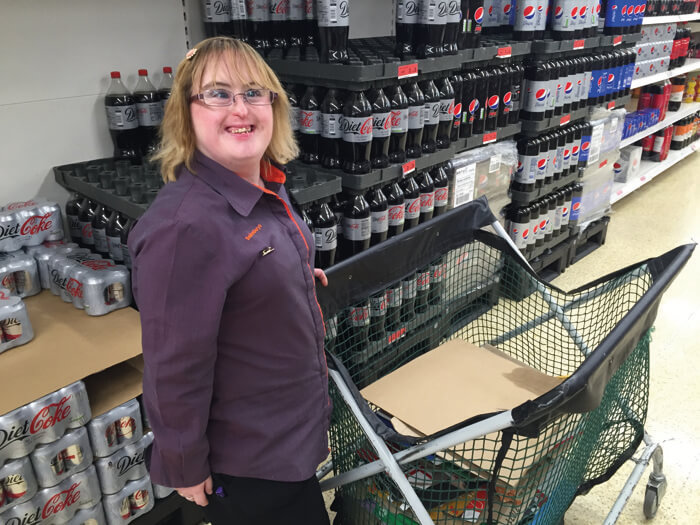
The Swindon Down’s Syndrome Group and the Down’s Syndrome Association are working together to provide employment opportunities for people with Down’s syndrome in Swindon and the surrounding area.
WorkFit is a tailored service dedicated to training employers about the Down’s syndrome learning profile. Finding the right employment opportunities, for the right people. We recognise paid work is not right for everyone. A job might be work experience, voluntary work, apprenticeships or paid work.
Visit our WorkFit page to find out more information about what work is available for you.